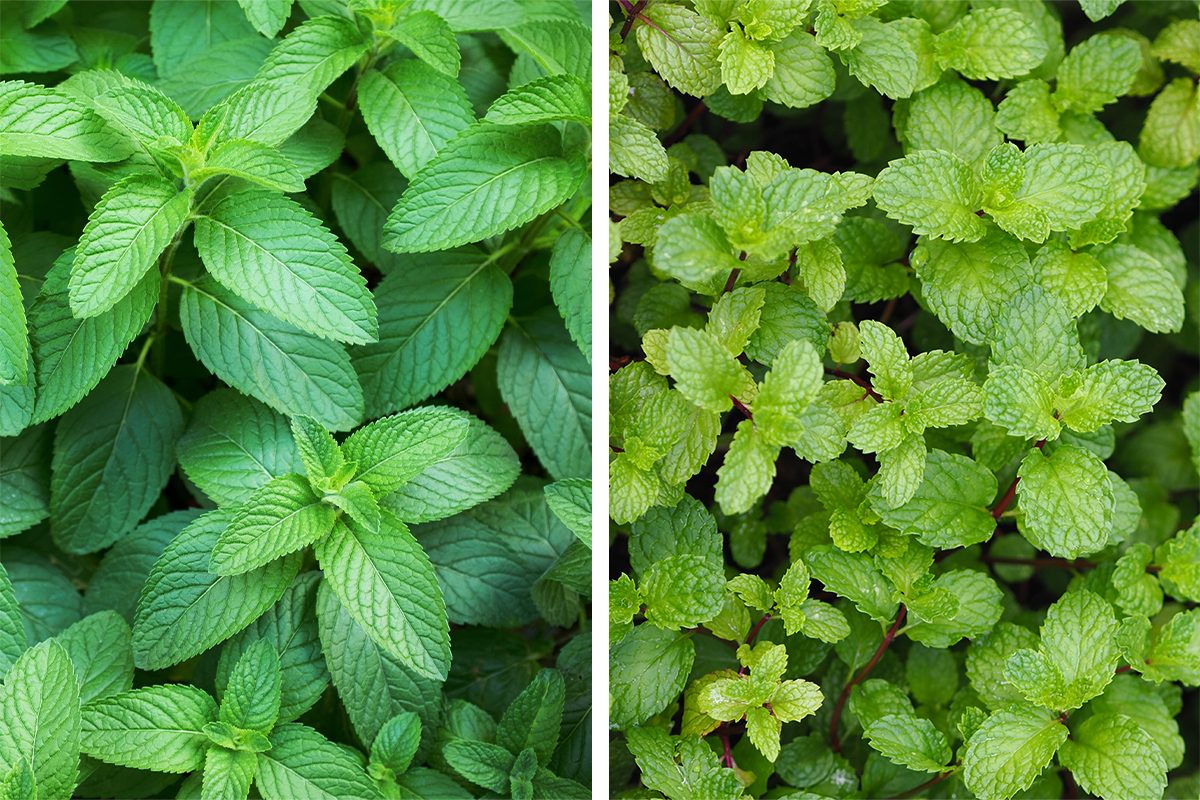
Debating how to use spearmint vs. peppermint and if it matters? This guide covers everything you need to know.
Despite the fact that most recipes and even grocery stores treat mint as a single herb, there are over 15 types of mint, including spearmint, peppermint, orange mint, chocolate mint and apple mint. Some of our all-time favorite recipes, like roast rack of lamb with herb sauce and mint juleps, include mint but don’t specify which kind. In deciding between spearmint vs. peppermint, how do you choose the right one?
Spearmint and peppermint are both part of the mint family and, to the untrained eye and nose, look and smell pretty similarly. But between their menthol levels, spiciness and leaf color, they are actually different from one another. We’ll go over what to look out for when picking up spearmint or peppermint at the store or farmers’ market. Understanding the menthol levels alone is so important for your fresh mint recipes!
Spearmint vs. Peppermint
Confusing spearmint and peppermint for one another won’t necessarily ruin your recipe, but there are differences between the two in terms of flavor and best uses. Knowing the nuances will help you get the most out of each. Let’s go over their key differences:
- Menthol level: Menthol is the chemical ingredient that creates the recognizable, much-loved cooling effect in the mouth. Peppermint contains 40% menthol as opposed to spearmint’s 0.5%.
- Flavor: Because spearmint has so much less menthol, it’s sweeter and more subtle. Peppermint’s higher menthol level makes it spicier, sharper and stronger in flavor. That’s why you’ll typically find more peppermint desserts than spearmint ones!
- Appearance: Though it’s not the best way to tell the herbs apart, their appearance does sometimes vary. Spearmint leaves are slightly fuzzy on the underside, and the stems are usually light green. Peppermint stems often have a purplish hue.
What is spearmint?
Spearmint has a delicate flavor and fragrance, often described as sweet. The oils in spearmint, which carry its taste and aroma, are from the chemical ingredient carvone. It’s subtler than menthol and lacks the same intense cooling sensation. Spearmint’s uses are primarily restricted to the culinary and commercial realms (think shaving cream and toothpaste). But it does have notable health benefits, such as alleviating nausea and hiccups, improving memory and regulating hormones.
Recipes that use spearmint

The herb’s most well-known use is in Wrigley’s Extra Spearmint Gum (you know the one!), so it might come as a surprise that in cooking, spearmint is often found in savory recipes—the opposite of peppermint. Whether it’s stirred into a green mint sauce, carefully folded into a spring roll or muddled for a refreshing mojito, spearmint lets the dish’s other flavors shine alongside it, which is why it’s a favorite ingredient of many chefs around the world.
You’ll also find spearmint in hygiene products, including soap, toothpaste, mouthwash, shampoo and lotion. Since it has such a “clean” smell that isn’t as bold as peppermint, spearmint is perfect for scented candles, essential oils or potpourri.
What is peppermint?
Peppermint is an incredibly pungent—almost spicy—herb. (Its name is starting to seem a bit more fitting, huh?) Though peppermint is perhaps the best-known mint, it’s actually a natural hybrid of spearmint and water mint. Because peppermint is a mix of two types of mint, it contains a higher content of menthol, which explains why it’s so much more potent than its counterpart.
Recipes that use peppermint
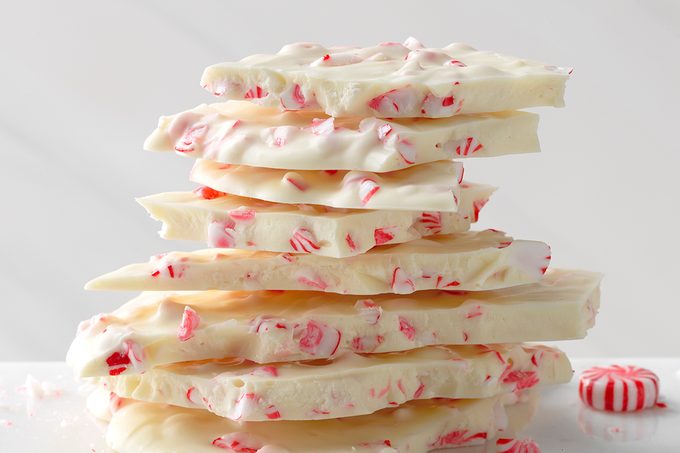
You might have noticed that peppermint makes a prominent appearance in your grocery aisles during the holidays (bring on the peppermint bark and peppermint patties!). While we love making all the leftover candy cane recipes, it’s also a refreshing flavor to enjoy year-round—and not even necessarily in the kitchen. Peppermint serves a whole slew of medicinal purposes, too. It’s known to soothe sore throats and achy muscles, stop runny noses and relieve stress.
Its strong flavor is best suited to sweet dishes, especially those with chocolate, which is why your fondest memories of peppermint might be mint chocolate chip ice cream or a heartwarming mug of peppermint hot cocoa with a candy cane for stirring.
Spearmint vs. Peppermint FAQ
Can you swap spearmint for peppermint?
If you realize you purchased the wrong herb, or if you can’t find the one you need at the store, peppermint and spearmint are interchangeable, with a caveat.
Because peppermint is so much stronger than spearmint, you won’t want to use a 1:1 ratio. Instead, if a recipe calls for a certain amount of spearmint, gradually add small amounts of peppermint until you get the desired taste. If a recipe calls for peppermint and you only have spearmint, you can add it more generously, knowing that your finished dish will be milder overall.
Is spearmint or peppermint better for tea?
Spearmint and peppermint teas are both delicious, but they have different benefits, so the best option depends on what you’re looking for. Peppermint tea’s health benefits include having antibacterial properties (great when you have a cold), boosting mental clarity, easing tummy troubles and helping relieve headaches. Spearmint tea is gentler and milder, promoting relaxation and digestion without such an intense flavor.
How do I store fresh mint?
The best way to store fresh mint is to treat it like flowers: place it in a jar or glass with 1 inch of fresh water and refrigerate it for up to one week, changing the water every few days. You can also wrap the mint in a damp paper towel, place it in a zip-top bag and refrigerate it for up to one week. If you’re growing mint indoors or outdoors, it’s best to wait and harvest it when you need it.